
Cane · Seat weaving · Chair repair
Cane webbing and chair repair supplies, with the how-to.
Cane webbing and spline, hand-caning cane, seat weaving cord, upholstery webbing and patio chair straps. Pick your project and see what to buy and how it is done.
What are you working on?
Each project lists the materials, the tools and the kit that has it all, with short steps and the full guide.
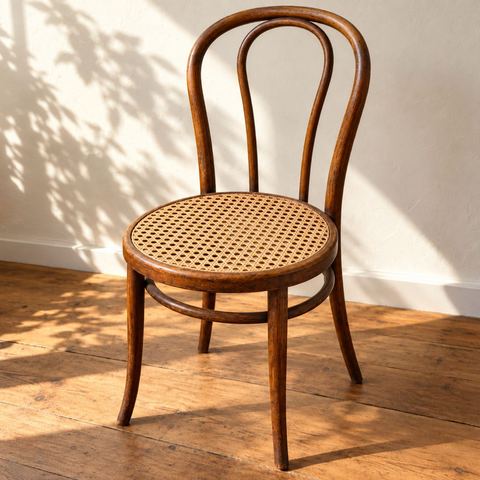
- Replace a pressed cane seatChairs with a groove around the seat
- Add cane to cabinet doorsKitchen, sideboard and wardrobe doors

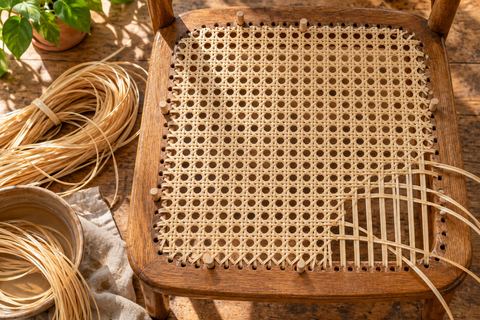
- Hand-cane a chair seatChairs with a row of holes around the seat
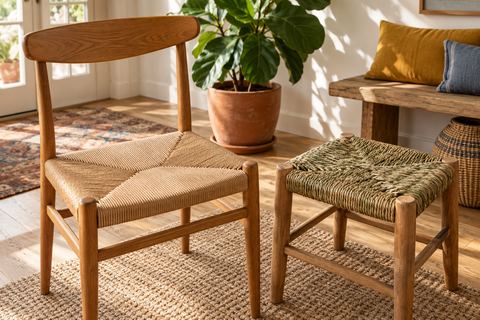
- Weave a Danish cord seatMid-century chairs and stools with L-nails
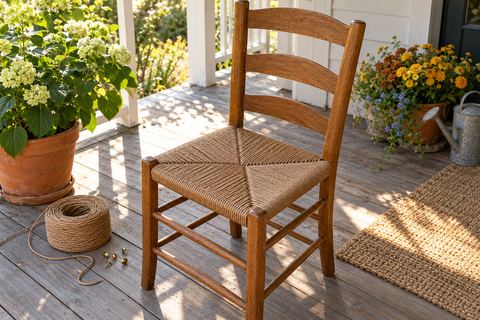
- Weave a rush, seagrass or tape seatLadderback chairs and stools with round rails
- Re-web and re-pad a chair seatSagging upholstered and webbed seats
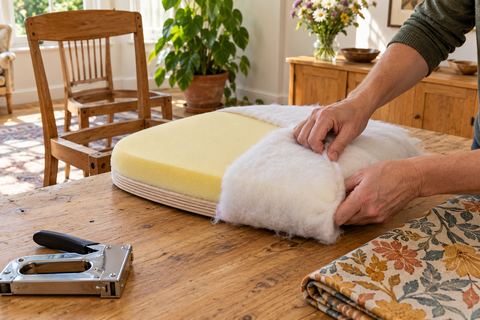
- Fix outdoor patio chairsVinyl straps, slings, lacing and cords
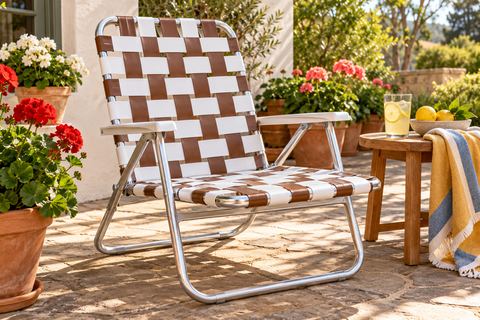
- Repair wicker and rattan furnitureBroken strands, loose wraps, outdoor resin wicker

Shop by material
Twelve collections in five groups, from pressed cane to patio chair straps.
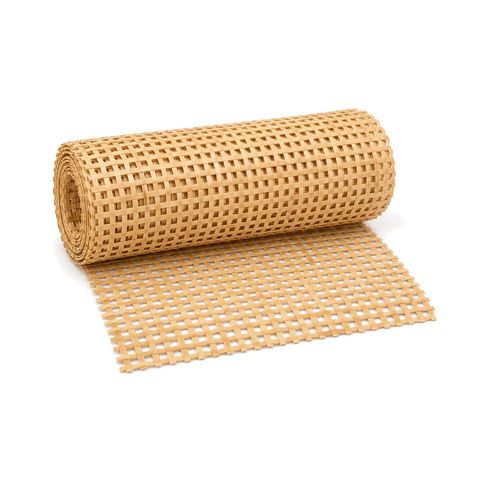
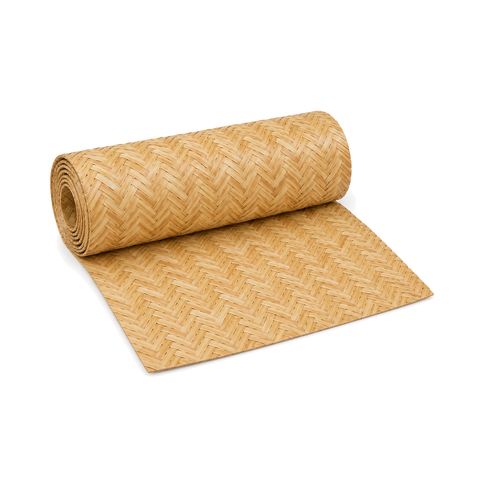
- Cane and panelsNatural Cane WebbingPressed cane in four weaves, every roll measured
- Cane and panelsSynthetic Cane Webbing (PE)The cane look for patios, bathrooms and boats
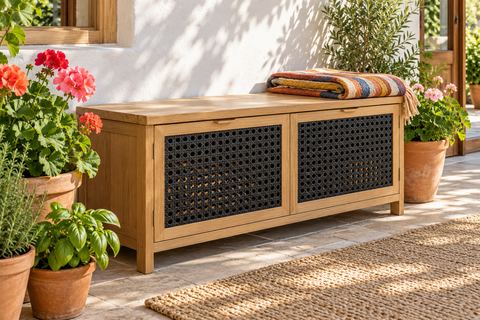
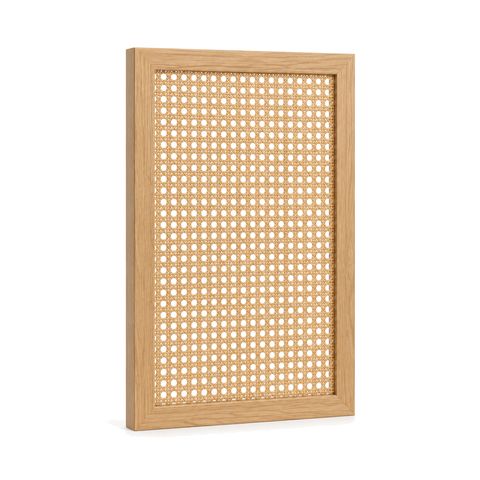
- Cane and panelsCane Panels and SheetsFramed panels and cut sheets, made to your size

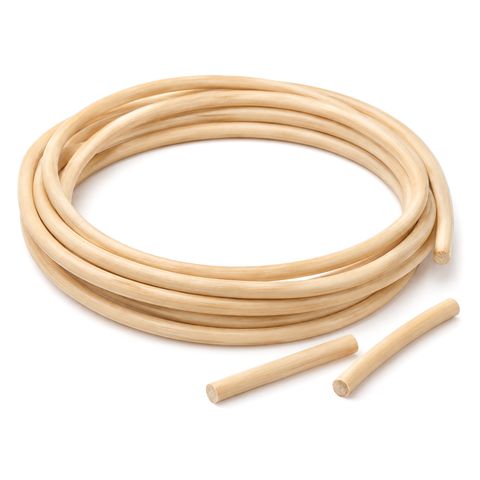
- Cane and panelsReed SplineEvery groove size from #6.5 to #11
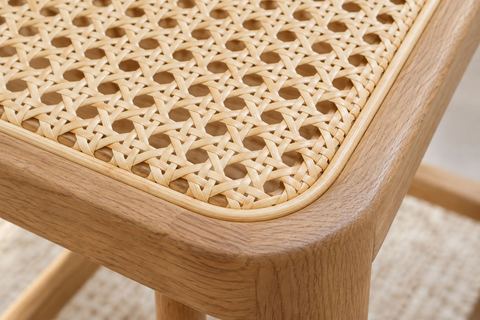
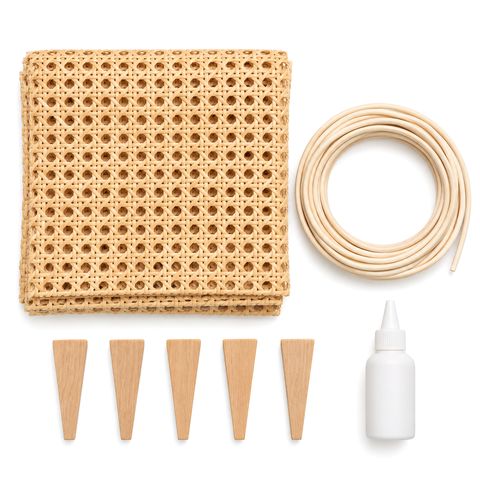
- Caning and seat weavingChair Caning KitsThe materials for one project in one box
- Caning and seat weavingStrand Cane for Hand CaningStrand cane in six widths, superfine to common
- Caning and seat weavingSeat Weaving Cord and RushCord and rush for woven chair seats
- Chair and outdoor repairChair Seat Repair & UpholsteryNew seats and seat support for chairs you keep
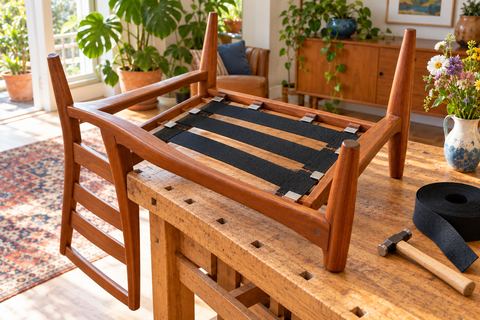
- Chair and outdoor repairOutdoor Furniture RepairStraps, strip and cord to fix patio chairs
- Tools and finishingTools for Caning and UpholsteryReusable tools for seats, doors and upholstery
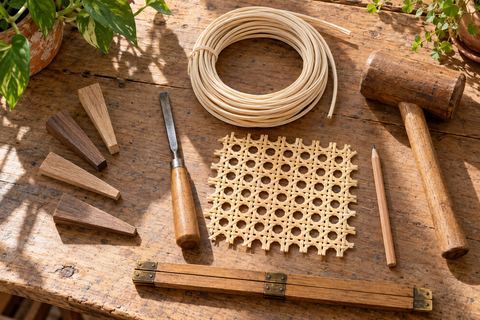
- Tools and finishingFinishing and CareFill, sand, color and wax the frame
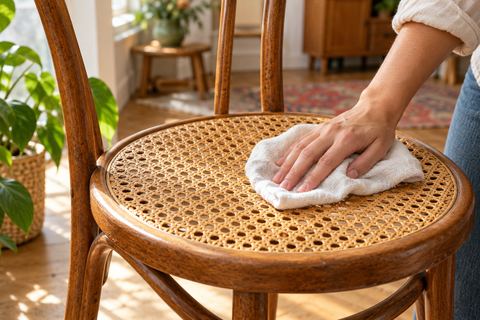
- Basket weavingBasket Weaving SuppliesReed, bases and kits for baskets made by hand

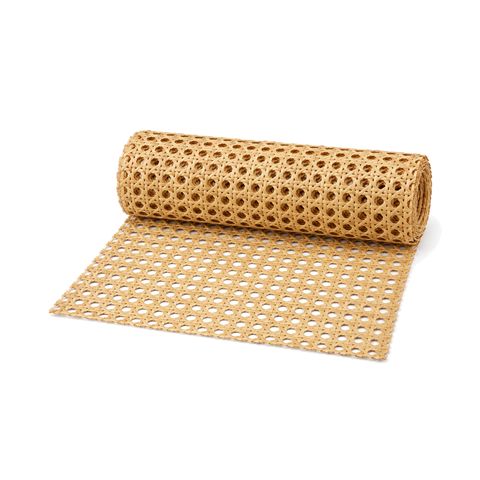
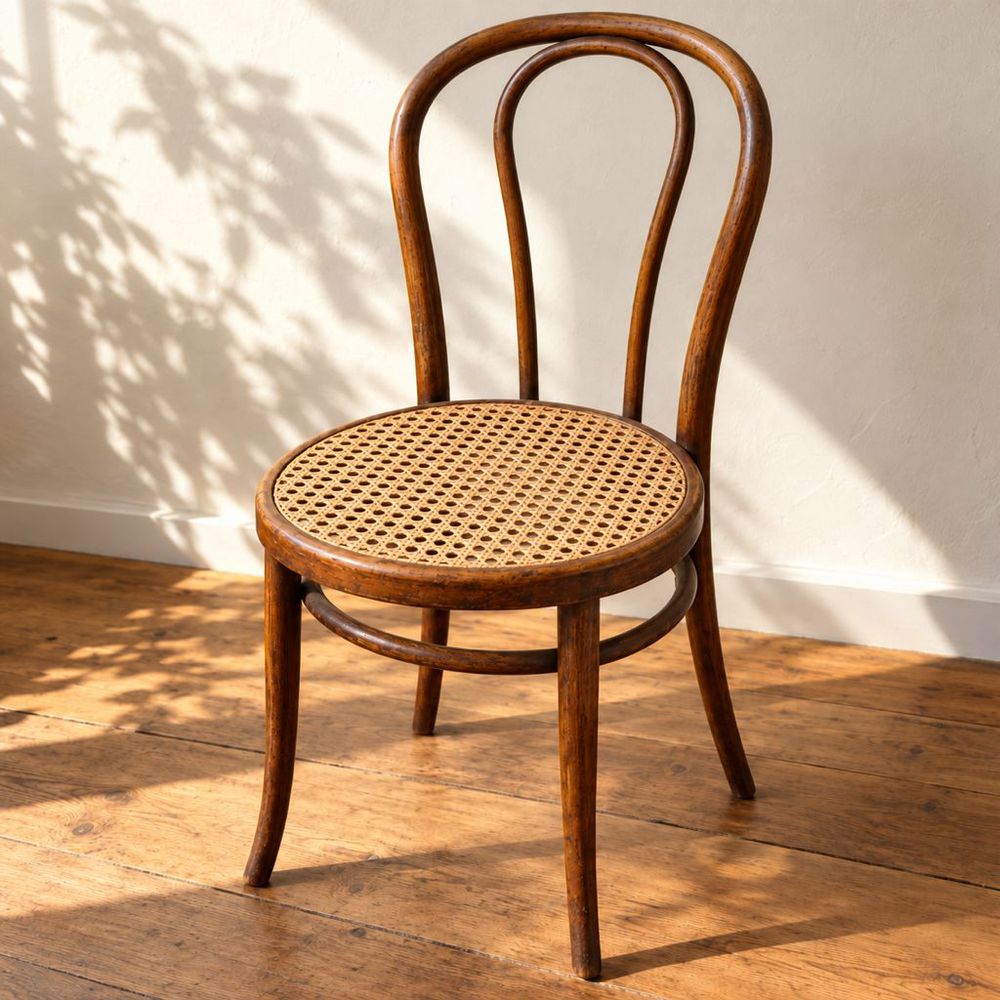
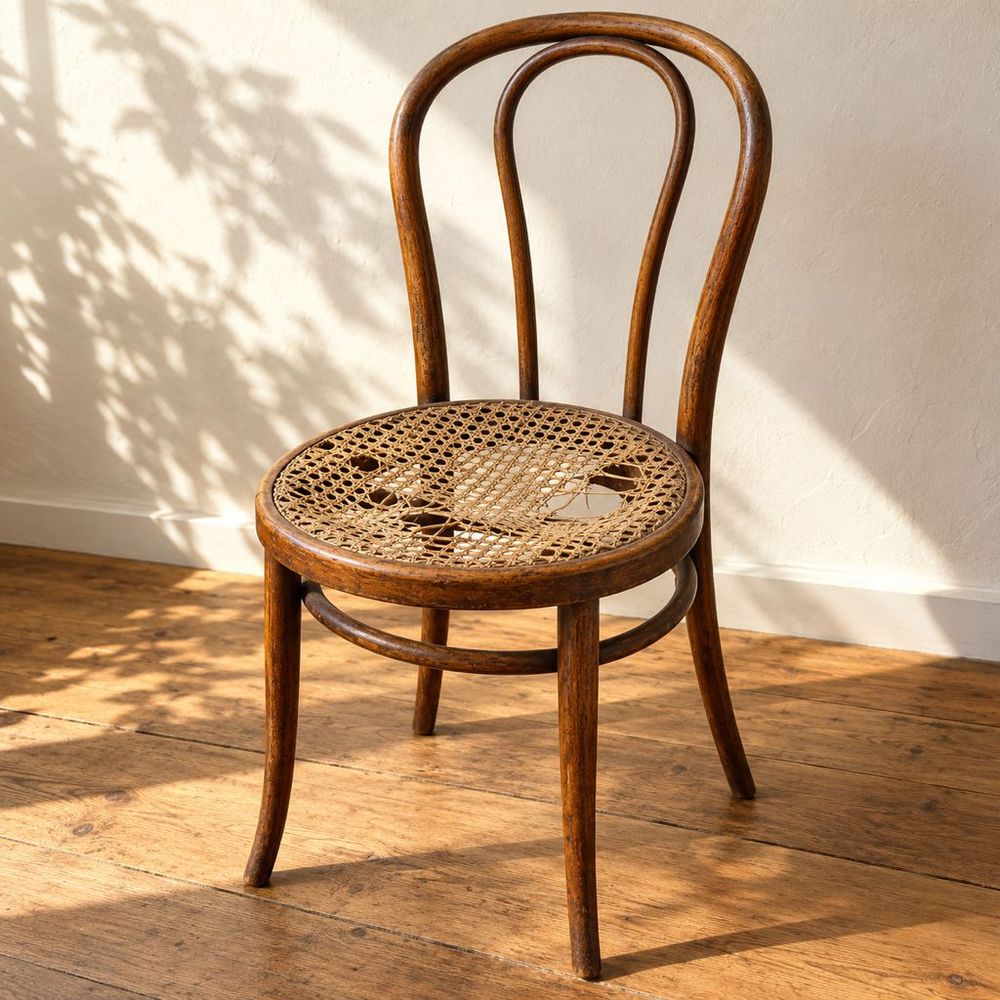
Chair seat repair
From a broken seat to like new in one afternoon.
Drag the slider. A seat kit has the cane, spline, wedges and glue for one chair, and our guide walks you through it.
Not sure what to buy?
Quick helpers for the usual sizing questions.
How to cane
Pressed caning in four steps
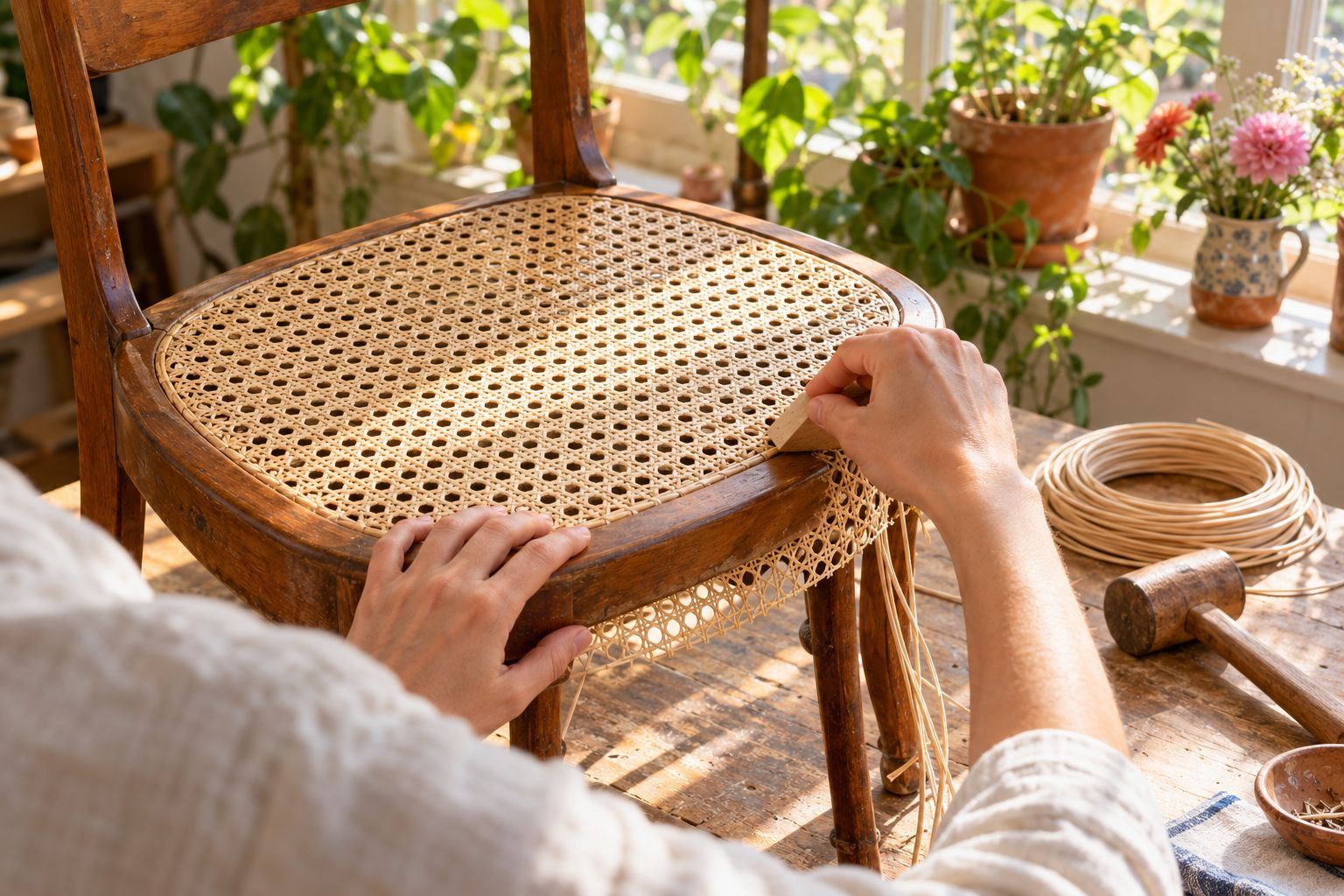
Soak
Soak the webbing in warm water for about 30 minutes until it bends easily.
Cut
Lay it shiny side up and cut it about 1 in past the groove on every side.
Press
Tap the cane into the groove with wedges, add glue, then press the spline in.
Trim and dry
Trim the extra cane and let it dry overnight. It tightens as it dries.

Trade & bulk
Furniture makers, designers and upholsterers
Full rolls, cut panels in quantity and repeat orders. Tell us what you need and we reply with a quote.
Guides
All guides →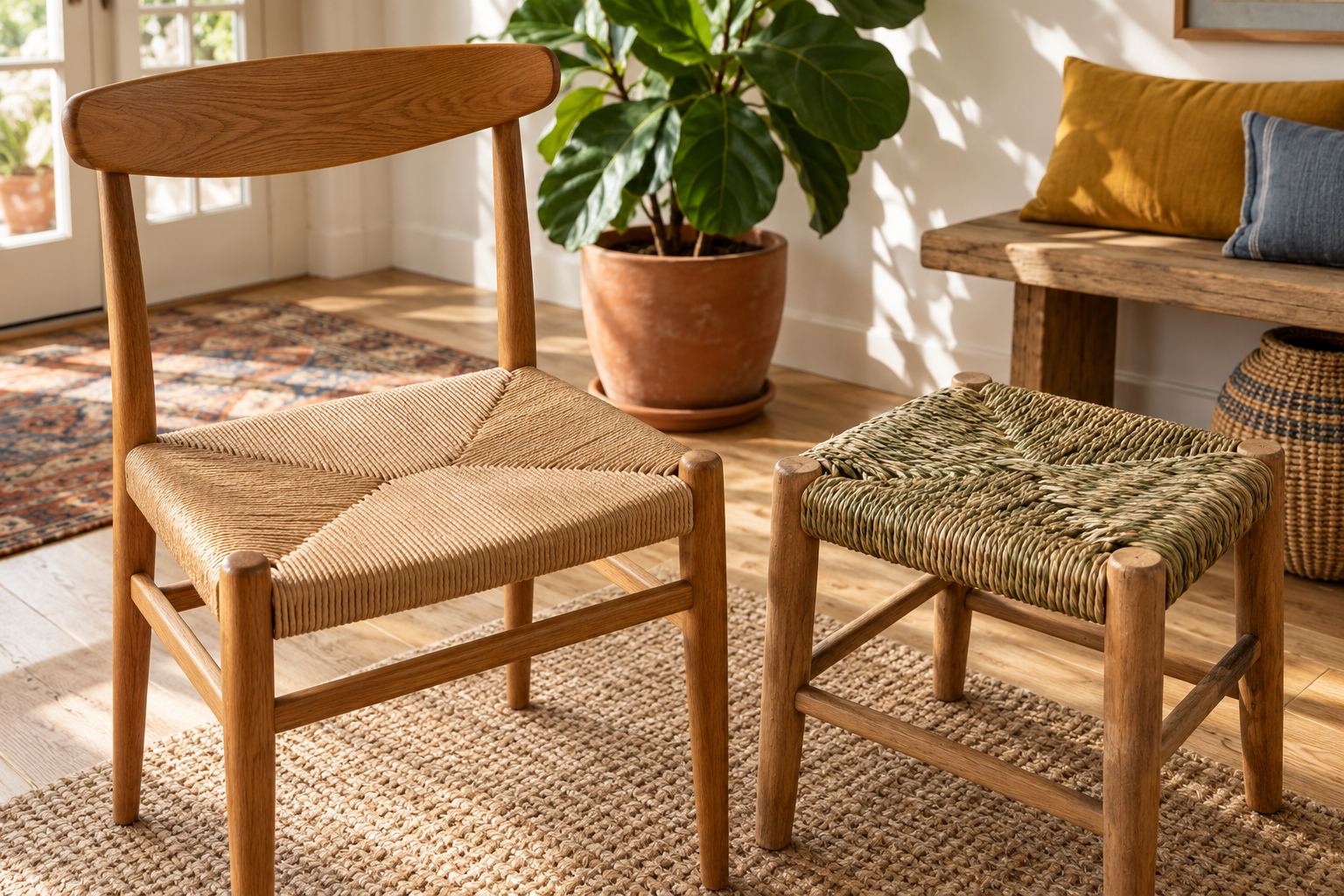
How much seat weaving cord do I need for one seat?
Estimate Danish cord, fiber rush, seagrass and Shaker tape for a chair seat from its rail measurements, with worked examples and typical amounts per seat.
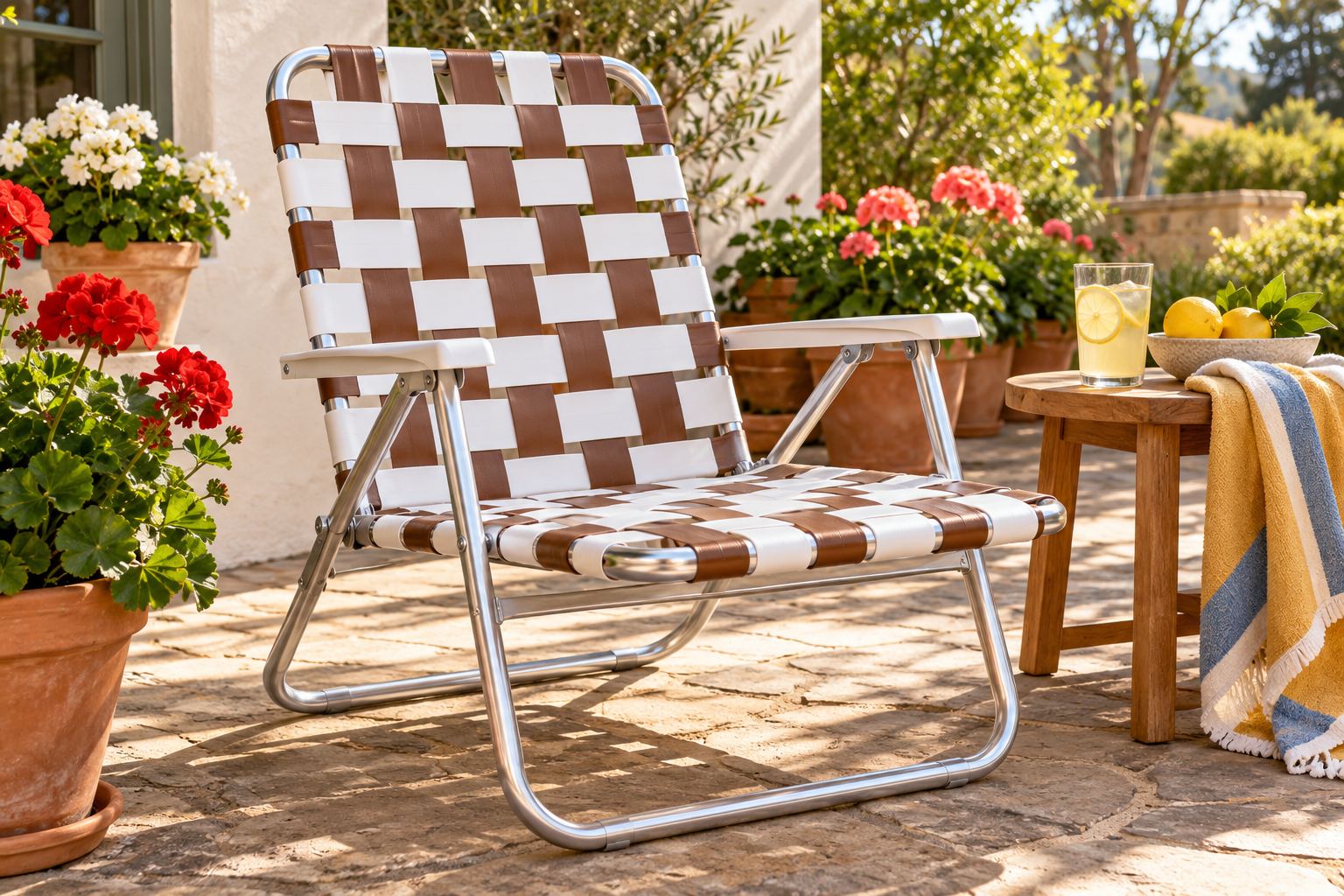
How to measure patio chair straps: width, length, count
Measure vinyl patio chair straps before you order: the width, each strap path with its wrap, straps per section and rivet hole size, with a worksheet.
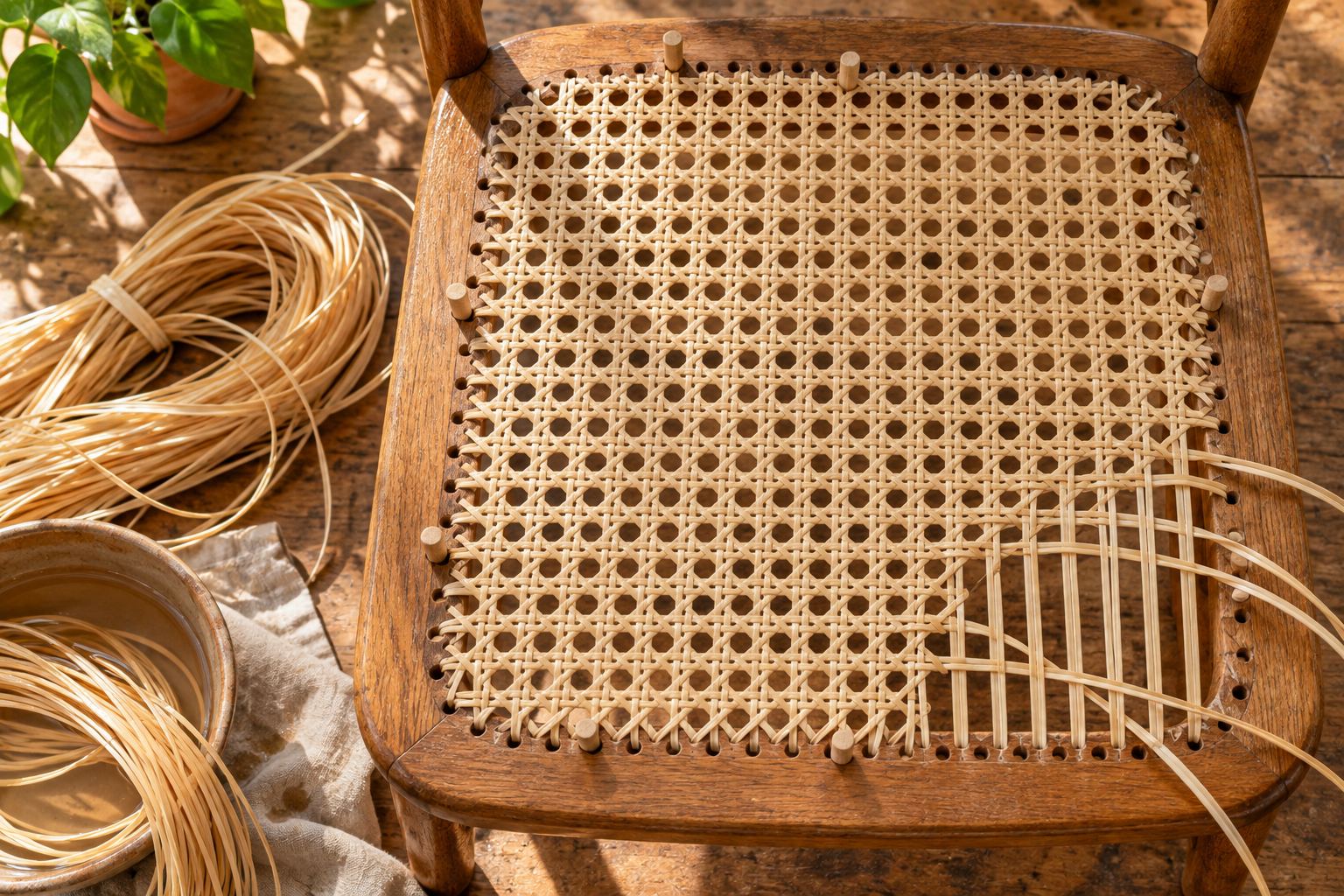
Strand cane size chart: superfine to common by hole size
Choose strand chair cane from superfine 2 mm to common 3.5 mm by hole size and spacing, pick the binder, measure your holes and decide between two sizes.
Questions
All questions →How do I know which material my chair needs?
Look at the seat frame. A groove routed around the opening takes pressed cane webbing held in with reed spline. A row of small drilled holes takes strand cane woven by hand. Bare rails with no groove and no holes take a woven seat of fiber rush, Danish cord or seagrass. Use the material the chair was built for.
 Laced Danish Cord
 Fiber Rush
 Strand Chair Cane
 Twisted Seagrass Cord
What is the difference between cane webbing and strand cane?
Both are natural rattan cane. Cane webbing is woven by machine into a sheet that you press into a groove or staple behind a frame, so the weaving is already done. Strand cane comes as single strands that you weave yourself through the holes of the seat; it takes longer, but it is the traditional method for chairs with holes.
I am refacing cabinet doors with cane. What should I buy?
Most cabinet doors are caned by opening up the center of the door and gluing and stapling cane to the back of the frame. You can cut the cane from a roll of webbing, buy precut cabinet door inserts in matching pairs, order a made-to-size sheet, or replace the insert with a made-to-size framed panel. Choose herringbone if the contents should stay hidden, and PE cane for bathrooms and outdoor cabinets.
 Cane Inserts for Cabinet Doors
 Cane Webbing Sheet Cut to Your Size
 Plastic Cane Webbing (PE)
How do I measure for cane webbing?
For a chair seat, measure the opening from groove to groove at its widest and deepest points, then add at least 2 in each way. For a cabinet door or other frame, measure the opening and add at least 1 in on every side for stapling. Our roll picker helps you choose a roll from those numbers.
How do I find the right spline size, and how much do I need?
Measure the width of the groove with a drill bit shank or calipers. #7 fits a 1/8 in groove, #8 fits 3/16 in, #9 fits 1/4 in and #10 fits 5/16 in, with half sizes between; #6.5 is for narrower grooves and #11 for wider ones. For length, measure the groove all the way around and add 6 in. A 6 ft coil does one average seat.
How do I choose a strand cane size for hand caning?
Measure the diameter of the holes and the distance between hole centers, then compare them with the chart in our hand caning guide. Finer cane goes with small, close holes and wider cane with larger, more widely spaced holes. If you have a piece of the old cane, match it, or test a strand in your holes before you start.